Huntsville Relocation and Housing Costs

Cost of Living in Huntsville, Alabama: What Should You Budget?

Thinking about relocating to Huntsville? Understand what housing, property taxes, utilities, transportation and everyday expenses may mean for your household. Compare Huntsville, Madison and Athens using reliable data and a practical home-buying budget.

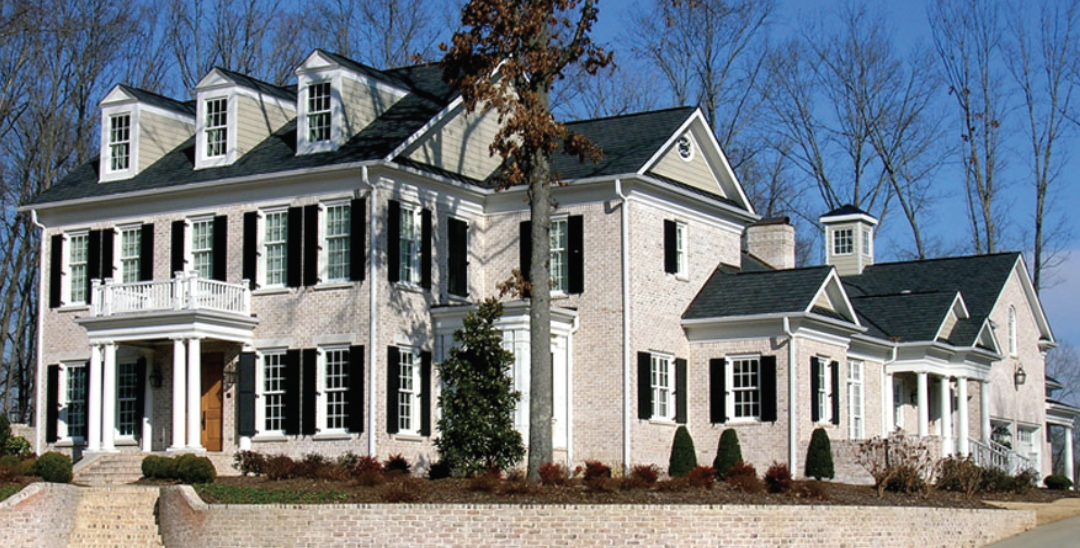
Residential neighborhood in Jones Valley, Huntsville, Alabama
Huntsville offers a variety of residential neighborhoods, housing types and price points. Your specific property and location will have a major effect on your budget.
The Short Answer

Is Huntsville, Alabama, affordable?

Huntsville’s overall price level has been below the national average, according to federal regional price data. But that does not mean every household will spend less after moving.

Housing is often the largest variable. Your purchase price or rent, mortgage terms, insurance, property taxes, commuting costs and household needs can outweigh differences in the regional cost-of-living index.

The best way to evaluate affordability is to compare your current spending with the costs of an actual home and the lifestyle you expect to maintain in North Alabama.

Huntsville attracts people relocating for jobs at Redstone Arsenal, NASA’s Marshall Space Flight Center, the FBI, defense contractors, technology companies and other employers.

Many prospective residents compare Huntsville with cities in Virginia, Maryland, Colorado and other states. Those comparisons can be useful, but a national cost-of-living ranking is only a starting point.

This guide focuses on the expenses that matter most when deciding whether to rent or purchase a home in Huntsville and surrounding North Alabama communities.

For a broader introduction, visit our Moving to Huntsville, Alabama relocation guide.

Federal Cost-of-Living Data

How Huntsville compares with the national cost of living.

The U.S. Bureau of Economic Analysis measures regional price differences through its Regional Price Parities, or RPP, index.

An index of 100 represents the national price level. An index below 100 indicates a lower overall regional price level for the measured mix of goods and services.

93.1 Huntsville metropolitan area overall regional price index, 2024
100 National price-level benchmark
6.9% Approximate difference below the national benchmark in the 2024 index

Source: U.S. Bureau of Economic Analysis, 2024 Regional Price Parities, published through the Federal Reserve Bank of St. Louis. Figures are historical regional price measures, not current household quotes or a promise of individual savings.

View the Huntsville regional price index and historical data .

What the 93.1 index does not mean.

It does not mean that every bill in Huntsville is 6.9% cheaper, that a specific home costs 6.9% less, or that a household moving from another city will automatically save money.

The index measures regional price levels across categories. Your personal budget depends on what you buy, where you live and how you spend.

Housing Expenses

Housing is the biggest factor in many Huntsville relocation budgets.

Home prices and rental costs vary considerably across Huntsville, Madison, Athens and surrounding areas.

Even within the same city, a property’s age, condition, lot, school district, amenities and location can create meaningful differences.

What Census data tells us

The U.S. Census Bureau’s 2020–2024 American Community Survey estimates provide a useful historical comparison. These figures are not current listing prices, recent sale medians or rental quotes.

2020–2024 Estimate Huntsville Madison Athens
Median owner-occupied home value $293,600 $398,800 $270,000
Median gross monthly rent $1,171 $1,453 $899
Median monthly owner costs, with a mortgage $1,573 $2,055 $1,528
Owner-occupied housing rate 58.3% 74.0% 64.0%

Source: U.S. Census Bureau QuickFacts, 2020–2024 estimates for the incorporated cities of Huntsville, Madison and Athens. Median gross rent includes applicable utility costs. Median owner costs with a mortgage reflect surveyed households, not the payment a new buyer would obtain today.

Official data: Huntsville, Madison and Athens.

Why you should not use the Census median as your home-buying budget.

The median value of existing owner-occupied homes is not the same thing as the median price of homes currently for sale.

It includes properties purchased at different times and reflects a historical survey period. Current asking prices, completed sales and financing conditions may be different.

To determine what you can buy today, compare active listings and recent closed sales within your intended price range.

Buying a home: Calculate the full monthly payment.

A mortgage principal-and-interest estimate is only one part of the monthly ownership cost.

  • Mortgage principal and interest
  • Property taxes
  • Homeowners insurance
  • Mortgage insurance, if applicable
  • HOA dues, if applicable
  • Utilities and routine maintenance
  • Reserves for unexpected repairs

Buyers comparing existing homes with new construction should also consider lot premiums, builder incentives, upgrades and potential post-closing expenses.

Read our New Construction Homes in Huntsville guide .

Residential home in the Canebrake neighborhood of Athens, Alabama
Housing costs depend on the individual property, not just the city where it is located.

Renting before buying

Renting can provide time to learn the area, evaluate neighborhoods and confirm your commuting requirements.

When comparing rentals, ask whether the advertised price includes utilities, parking, pet charges, amenity fees or other recurring expenses.

If you intend to buy, consider the combined financial impact of temporary housing, moving expenses and a future purchase.

Taxes and Ownership

How do property taxes work in Huntsville, Alabama?

Alabama calculates property taxes using an assessed value, the applicable millage rates and any qualifying exemptions.

Under Alabama’s property classification system, qualifying owner-occupied single-family residential property generally falls under Class III, with a 10% assessment ratio.

Property tax calculation

Appraised value × assessment ratio = assessed value.

Assessed value × applicable millage rate = tax before exemptions.

Any qualifying exemptions are then applied according to the relevant rules.

For example, using a hypothetical $350,000 appraised value and a 10% assessment ratio, the assessed value would be $35,000.

The actual tax bill would depend on the applicable local millage rates, property classification and exemptions. The example is not a quote for any particular property.

Alabama Department of Revenue: Property Tax Assessment

Homestead exemptions

An owner who qualifies and occupies an eligible home as a primary residence may be entitled to a homestead exemption.

Eligibility and the amount of relief depend on the applicable exemption category and circumstances. Homeowners should verify requirements with the county tax office.

Alabama Department of Revenue: Homestead Exemptions

Important for relocating buyers: Verify the parcel, not the mailing address.

Huntsville-area properties can fall within different city and county jurisdictions. Madison also extends into Limestone County.

Two properties with similar mailing addresses or asking prices may have different taxing jurisdictions.

Ask for the parcel’s current assessment and confirm the expected tax treatment for your intended ownership and occupancy.

Sales taxes and everyday purchases

Alabama has a statewide general sales tax rate of 4%. The state rate on qualifying food and grocery purchases is 2%, with local taxes potentially applying in addition.

Combined sales tax rates vary by municipality, county and the type of transaction. A state-only percentage is not necessarily the rate you will pay at checkout.

Use the Alabama Department of Revenue sales and use tax resources for current rates and location-specific information.

Relocating households should also review Alabama income tax rules, applicable deductions, retirement-income treatment and employer withholding with a qualified tax professional.

Monthly Household Expenses

What should you budget for utilities in Huntsville?

Utility expenses depend heavily on the specific home, its size, construction, insulation, heating and cooling systems, household usage and service providers.

A large home with older equipment may have different operating costs from a smaller, more energy-efficient property, even when the two homes have similar purchase prices.

Electricity

Heating and cooling

Huntsville experiences hot, humid summers and periods of cold winter weather.

Air conditioning and heating can be major contributors to utility spending.

Review system age, efficiency, insulation and available billing history.

Water and Services

Water, sewer and waste

Verify the providers serving the property and whether water, sewer, septic, sanitation or other services create separate expenses.

Rural and suburban properties may have different service arrangements.

Connectivity

Internet and communications

Internet providers, speeds and pricing vary by address.

Confirm actual service availability before purchasing, particularly if you work remotely.

The best utility estimate is property-specific.

When available, ask for historical utility information for the home you’re considering. Compare that history with the size of your household and expected usage.

Utility history is useful context, not a guarantee of future bills.

Transportation and Commuting

Transportation costs can offset savings on housing.

Huntsville-area households should consider vehicle ownership and commuting when comparing neighborhoods.

Depending on the property and workplace, daily driving can be an important part of the relocation budget.

Include more than gasoline.

  • Vehicle payments or replacement savings
  • Auto insurance
  • Fuel or charging
  • Maintenance and tires
  • Registration and other fees
  • Mileage and wear from commuting
  • Parking or other workplace expenses

Compare the actual commute.

A lower-priced home farther from work may increase transportation expenses.

Conversely, a buyer who works remotely may prioritize a different combination of location, lot size and home features.

Consider both the financial expense and the time spent traveling.

For employees at Redstone Arsenal, the correct gate and work-building location can materially affect the commute.

Read our Redstone Arsenal Commute Guide and Best Places to Live Near Redstone Arsenal .

Beyond Housing

Other expenses to consider before moving to Huntsville.

Groceries and dining

Grocery spending depends on household size, dietary preferences and shopping habits.

Local sales taxes, restaurant spending and convenience purchases should be included in your comparison.

Compare a representative grocery basket rather than relying on a general cost index alone.

Healthcare and insurance

Compare employer benefits, insurance premiums, provider networks, prescriptions and out-of-pocket expenses.

If you are changing employers or insurance plans, healthcare costs may change independently of your new location.

Childcare and education

Families may need to budget for childcare, after-school programs, extracurricular activities, private education or other services.

Public school assignment depends on the specific property address.

See our Huntsville-Area Schools Guide .

Recreation and lifestyle

Memberships, sports, hobbies, entertainment and travel can make a significant difference in household spending.

Compare the costs of the activities you actually use, not simply the amenities available in a community.

Where You Live Matters

Cost of living in Huntsville vs. Madison and Athens.

Huntsville, Madison and Athens are connected through the regional housing and employment market, but they offer different residential settings.

The Census figures above show differences in historical housing costs. They do not establish which city will be less expensive for every buyer.

Established residential neighborhood in Jones Valley, Huntsville, Alabama
Huntsville

A broad range of neighborhoods.

Huntsville includes established residential areas, newer development, downtown-adjacent homes and suburban settings.

Property costs vary by neighborhood, condition, amenities and location.

The most useful comparison is between actual homes meeting your requirements.

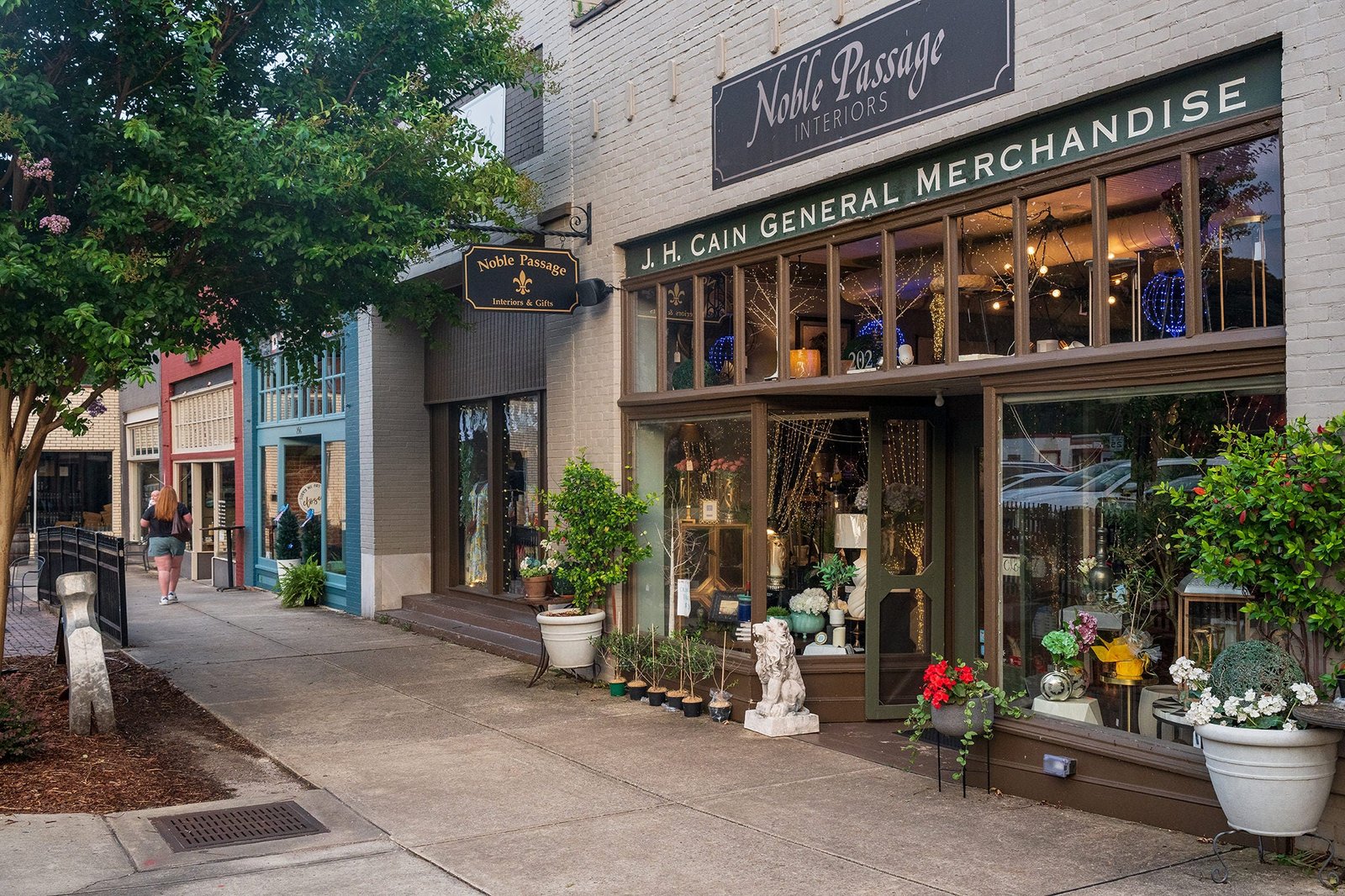
Historic downtown Madison, Alabama, Main Street
Madison

Suburban housing and western Huntsville access.

Madison offers established subdivisions, newer neighborhoods and a historic downtown.

Its location can be convenient for selected western Huntsville workplaces.

Compare property prices, HOA expenses and commuting requirements.

Huntsville vs. Madison

Residential home in the Canebrake neighborhood of Athens, Alabama
Athens

Additional housing options farther west.

Athens includes historic neighborhoods, newer subdivisions and different lot settings.

Some properties may offer a different combination of space and features.

For Huntsville employees, commuting expenses should be part of the comparison.

Athens vs. Madison

A citywide average is not a substitute for a property-specific comparison.

A home in one Huntsville neighborhood may cost more than a home in Madison or Athens, while another Huntsville property may cost less.

Compare similar homes, recent sales, property taxes, insurance, condition and commute costs before drawing conclusions.

Practical Relocation Planning

Build a realistic monthly Huntsville relocation budget.

Rather than using a generic estimate of what it costs to live in Huntsville, start with your actual household expenses.

Then compare them against the costs associated with the specific homes and neighborhoods you’re considering.

Expense Current Home Proposed Huntsville-Area Home
Mortgage or rent Current monthly payment Property-specific quote
Property taxes Current monthly equivalent Verified estimated tax
Home or renters insurance Current premium New insurance quote
HOA or community fees Current dues Applicable property dues
Electricity, water and utilities Current average Property-specific estimate
Internet and communications Current cost Available service quote
Transportation Current vehicle costs New commute and vehicle costs
Groceries and household purchases Current average Expected local spending
Healthcare and childcare Current expenses New coverage and service costs
Maintenance and reserves Current amount Property-specific allowance

Remember the one-time relocation costs.

  • Moving company or truck rental
  • Temporary housing and storage
  • Travel for property searches
  • Inspections and appraisal fees, where applicable
  • Closing costs and prepaid expenses
  • Utility connections and deposits
  • Furnishings, appliances and immediate home improvements
  • Emergency savings after the move

Compare the total, not just the mortgage payment.

A home with a lower purchase price can still have a higher overall cost if it requires major repairs, carries additional fees or significantly increases commuting expenses.

The goal is not simply to find the lowest advertised price. It is to identify a home that fits your financial and practical requirements.

For additional planning, use our Huntsville Relocation Checklist and Buying a Home in Huntsville From Out of State guide.

Property Value and Buying Decisions

Why property value matters as much as affordability.

A home can fit your monthly budget and still warrant closer examination of its asking price, condition and comparable sales.

When evaluating a purchase, buyers should consider how the property compares with other homes in its competitive market.

What to examine

  • Recent comparable closed sales
  • Differences in square footage, age and construction
  • Property condition and needed repairs
  • Lot size, location and site characteristics
  • Market competition and available inventory
  • Relevant concessions and builder incentives

A local perspective

Jason Roberts is both a REALTOR® and a Certified Residential Appraiser.

His appraisal background adds perspective when reviewing property characteristics, comparable sales and asking prices.

This helps buyers approach a purchase with attention to the individual home, rather than relying solely on broad market averages.

Real estate guidance does not constitute a formal appraisal unless separately engaged and performed as such.

Moving From Another State

Comparing Huntsville with your current city.

The cost of living in Huntsville may differ from your current location, but the size of that difference depends on your household.

Before accepting a relocation offer or setting a home-buying budget, compare take-home pay, housing expenses, taxes, benefits, transportation and one-time moving costs.

Explore relocation guides for specific origin areas.

These guides help frame the practical differences involved in relocating to North Alabama.

Jason Roberts, North Alabama REALTOR and Certified Residential Appraiser
Local Real Estate Guidance

Meet Jason Roberts

Jason Roberts is a North Alabama REALTOR®, Certified Residential Appraiser and Military Relocation Professional with real estate experience dating to 2007.

He helps buyers evaluate homes across Huntsville, Madison, Athens and surrounding communities, with attention to property characteristics, comparable sales, condition and location-specific considerations.

Learn more about Jason Roberts

Frequently Asked Questions

Huntsville cost-of-living FAQs.

Is Huntsville, Alabama, expensive to live in?

Federal regional price data shows that the Huntsville metropolitan area’s overall price level was below the national benchmark in 2024. However, actual expenses depend on housing, transportation, insurance, taxes and household needs.

Is Huntsville cheaper than the national average?

The Bureau of Economic Analysis reported a 2024 regional price index of approximately 93.1 for the Huntsville metropolitan area, compared with a national benchmark of 100. This measures overall regional prices, not individual household savings.

What is the average home price in Huntsville, Alabama?

The Census Bureau reported a median owner-occupied home value of $293,600 for Huntsville city in its 2020–2024 estimates. That is not a current median sale price. For current purchase decisions, review recent closed sales and active listings in your intended neighborhood.

How much is rent in Huntsville?

The Census Bureau’s 2020–2024 estimate for Huntsville city was $1,171 in median monthly gross rent. Current advertised rents vary by property, size, location and included services.

Are property taxes low in Huntsville?

Property taxes depend on assessed value, property classification, local millage rates and applicable exemptions. Qualifying owner-occupied single-family residential property generally has a 10% assessment ratio under Alabama law. Verify the tax estimate for the individual parcel.

Is Madison more expensive than Huntsville?

The Census Bureau’s 2020–2024 estimates show higher median owner-occupied home values and median gross rents in Madison city than in Huntsville city. However, individual properties can differ substantially, and historical city medians do not establish current asking prices.

Is Athens cheaper than Madison?

Historical Census estimates show lower median owner-occupied home values and median gross rents in Athens than Madison. Actual affordability depends on the property, financing, maintenance and commuting costs.

What should I budget for utilities?

Utility costs vary by property size, energy efficiency, heating and cooling equipment, usage and service providers. Request available property-specific billing information and confirm utility providers before buying.

Should I rent before buying in Huntsville?

Renting can provide time to learn the area and compare neighborhoods. Buying may make sense for households whose timeline, finances and housing needs support ownership. Consider temporary housing expenses, transaction costs and your expected length of stay.

How can I compare the cost of living in Huntsville with my current city?

Compare your current take-home pay and household spending with property-specific housing costs, insurance quotes, taxes, utilities, transportation, healthcare and moving expenses. A regional index is useful context but cannot replace a household budget.

Plan Your North Alabama Move

What can your housing budget buy in Huntsville?

Tell Jason your target price range, preferred communities and relocation timeline.

He can help you compare actual properties across Huntsville, Madison, Athens and nearby North Alabama areas, with attention to property characteristics, recent comparable sales and practical location considerations.

Jason Roberts
REALTOR®
Certified Residential Appraiser
Military Relocation Professional

Call or text:
256-874-6501

Learn more about Jason

If you are already represented by another REALTOR®, please disregard this solicitation. Equal Housing Opportunity.

Request Relocation Guidance

Your information will be used to respond to your inquiry. No obligation.

Sources, methodology and important notes.

This guide uses publicly available federal and state government data to provide general cost-of-living context.

Data reviewed: October 2026. The regional price index covers 2024, and the cited Census housing estimates cover 2020–2024. These historical datasets should not be confused with live housing prices or current household bills.

This article is general relocation and real estate information, not tax, legal, lending or financial advice. Confirm property-specific expenses and consult appropriate professionals before making a purchase or relocation decision.

Scroll to Top